Inner West vs Lower North Shore: Commute and Lifestyle
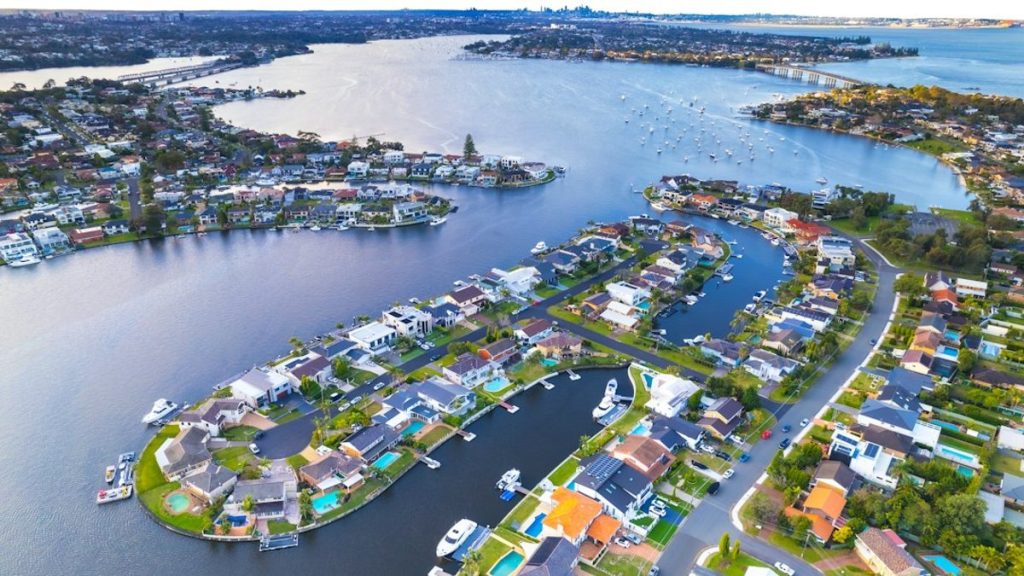
For anyone weighing up where to settle in Sydney, the Inner West and the Lower North Shore come up constantly as a direct comparison, despite being separated by the harbour and feeling like genuinely different cities in miles and manner. Both are close to the CBD, both carry a premium over outer suburbs, and both have passionate defenders. The actual differences are more structural than aesthetic, and worth laying out plainly.
Commute Reliability
| Factor | Inner West | Lower North Shore |
|---|---|---|
| Primary mode | Train (several lines) and light rail in parts | Train (North Shore line) and ferry from foreshore suburbs |
| Peak reliability | Generally frequent; some lines prone to congestion delays | Train line is a single trunk route — a single incident can cascade delays |
| Weather sensitivity | Low — train network largely unaffected by harbour conditions | Ferries can be suspended or slowed in high winds or storms |
| Road commute | Congested but multiple route options via main arterials | Funnelled through the Harbour Bridge or Harbour Tunnel, creating predictable bottlenecks |
The practical takeaway is that the Inner West generally offers more redundancy — if one line or road is disrupted, there’s usually an alternative. The Lower North Shore’s geography, bounded by the harbour on one side, concentrates commuters onto fewer corridors, so a single disruption at the Bridge or on the North Shore line has an outsized effect on commute time.
Green Space and Outdoor Access
Green space in the Inner West tends to come in the form of smaller local parks, converted industrial land, and the Cooks River and Hawthorne Canal corridors, which have been steadily upgraded with cycling and walking paths. It’s accessible and frequent but rarely expansive — don’t expect large bushland reserves within walking distance in most Inner West suburbs.
The Lower North Shore benefits from proximity to genuinely large bushland reserves and harbourside foreshore parks, several with bushwalking tracks that feel disproportionately wild for how close they sit to the CBD. If regular access to bushland, harbour swimming spots, and quiet walking tracks matters more to your lifestyle than cafe density, this is a real point in the Lower North Shore’s favour.
Community Culture
The Inner West has built its identity around a dense, walkable mix of cafes, live music venues, markets and a strong renter population alongside long-term owner-occupiers. It skews younger on average, with a visible creative and academic community tied to the universities nearby, and a reputation for being more politically and culturally vocal than most of the city.
The Lower North Shore skews toward established families and professionals, with a quieter, more residential daily rhythm. Retail and dining strips exist but tend to close earlier, and the overall culture leans toward stability and amenity over nightlife or street-level energy. Neither description is a value judgement — they simply suit different stages of life and different expectations of what a neighbourhood should feel like day to day.
Cost and Housing Stock
- The Inner West has a denser mix of terraces, warehouse conversions and smaller apartment blocks, generally offering more variety at a range of price points within the same few suburbs.
- The Lower North Shore leans more heavily toward larger freestanding houses and newer apartment developments, with less variety in housing type within any given pocket.
- Rental competition in both areas is intense, but the Inner West’s larger total stock of smaller dwellings tends to produce slightly more turnover and choice for renters specifically.
Which Suits You?
If your priorities are walkability, nightlife, cafe culture and a sense of constant street-level activity, the Inner West is the stronger match, and its transport redundancy is a genuine practical advantage if you commute daily into the CBD. If you’re drawn to quieter streets, easy access to bushland and harbour foreshore, and a more settled family-oriented pace, the Lower North Shore delivers that more consistently — provided you can tolerate the commute bottleneck risk that comes with its geography.
Neither side of this comparison is objectively better; they represent different trade-offs between vibrancy and calm, density and space, and redundancy versus directness in daily commuting. Spending a weekend actually walking both areas at different times of day — a weekday evening and a Saturday morning — tends to clarify the decision faster than any written comparison can.
Schools, Families and Long-Term Settling
For anyone weighing up these areas with school-age children in mind, the two regions again diverge in character rather than quality. The Lower North Shore has a long-established reputation built around a dense cluster of well-regarded schools, both public and private, and a settled community of families who often stay in the same suburb through multiple school stages, which reinforces a stable, familiar local network over time.
The Inner West’s school landscape is more varied, reflecting the area’s broader social mix, with strong individual schools scattered among a generally more transient renter population. Families prioritising a long, uninterrupted stretch of community continuity often gravitate toward the Lower North Shore for this reason, while those comfortable with more turnover among neighbours in exchange for a livelier daily environment tend to settle into the Inner West without issue.
Noise and Density Trade-Offs
One factor that rarely gets its own line item in comparisons like this is ambient noise, which differs meaningfully between the two areas. Inner West suburbs close to main roads, light rail corridors or the airport flight path carry real background noise that residents either adapt to or actively avoid by choosing quieter side streets within the same suburb. The Lower North Shore, further from the flight path and generally built around quieter residential streets, tends to offer a noticeably calmer baseline, though this comes paired with the lower density and reduced walkability discussed above — there’s rarely a free lunch in trading off one quality of life factor against another in Sydney’s property market.
Weekend atmosphere differs for the same underlying reason. Inner West streets stay genuinely busy into the evening, with foot traffic around cafes, bars and markets well after dark, while Lower North Shore shopping strips tend to quieten noticeably once the dinner rush passes, reflecting the area’s more residential, early-to-bed character overall.