The History and Engineering of Sydney’s Historic Rock Pools
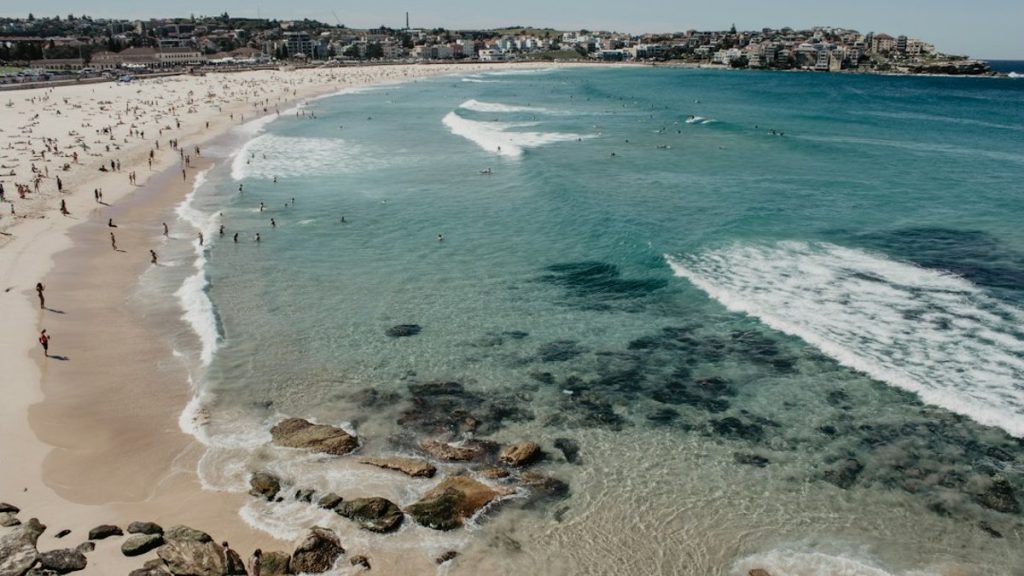
Scattered along Sydney’s coastline are dozens of ocean pools carved directly into sandstone headlands and rock platforms, filled by the sea itself rather than any pumping system. They look almost ancient, but most of the city’s best-known rock pools date to a specific and surprisingly recent chapter of Sydney’s history: the Depression-era public works programs of the 1920s and 1930s.
Built by Necessity, Not Just Leisure
Before organised ocean pools existed, swimming in the open surf was genuinely dangerous and largely restricted by social convention — daylight bathing at many beaches was heavily regulated well into the early twentieth century, and rip currents claimed lives regularly at popular beaches. Local councils, facing mass unemployment during the Depression, found a solution that served two purposes at once: large-scale public works projects created jobs for unemployed labourers, and the resulting pools gave residents a safer, socially sanctioned way to swim in sea water without braving the open surf.
Many of the pools built in this era were blasted and chiselled directly out of sandstone rock shelves using manual labour, pneumatic drills and dynamite, a process that took months of difficult, dangerous work. Councils funded these projects as relief work schemes specifically because they were labour-intensive — the goal was as much about employing people as it was about building infrastructure, and the pools stand today as a direct physical record of that era’s economic policy.
The Tidal Flush: Engineering Without Pumps
What makes these pools remarkable from an engineering standpoint is that almost none of them use mechanical filtration or pumping systems to stay clean. Instead, they rely on a principle called tidal flushing, where the pool’s position and wall design allow incoming high tides to wash over or through the structure, replacing stagnant water with fresh seawater, before the outgoing tide drains it back out.
- Pools built lower on the rock platform, closer to the low-tide mark, flush more frequently but are more exposed to large swells and rougher conditions during storms.
- Pools built higher, with walls designed to only overtop during spring high tides, flush less often but offer calmer, more consistent swimming conditions across a wider tidal range.
- Many pool walls include deliberately placed gaps, weirs or lower sections specifically engineered to let water escape at a controlled rate rather than trapping it entirely, which would otherwise lead to stagnation and algae growth within days.
- The natural slope and texture of the surrounding sandstone also plays a filtering role, as rough rock surfaces help settle sediment before water flows back out to sea on the receding tide.
This approach meant councils avoided the ongoing cost and complexity of mechanical filtration entirely, relying instead on the twice-daily tidal cycle to do the work for free, indefinitely, as long as the structure itself stays intact.
Why the Design Still Matters Today
Modern maintenance of these pools largely focuses on structural repair — resurfacing cracked concrete decking, repointing stonework, and occasionally reinforcing walls damaged by storm surge — rather than altering the original tidal flush design, which still works exactly as intended nearly a century later. This is a genuine point of pride for the councils that maintain them, and it’s part of why many of these pools carry heritage listing status: they represent functioning historical engineering, not just preserved relics.
It also explains some quirks visitors notice but rarely understand. Water quality and temperature in these pools can shift noticeably within a single day as the tide moves through, and some pools are genuinely better to swim in at certain tide stages than others — not because of maintenance scheduling, but because the flush cycle itself changes water clarity and temperature as it progresses.
A Few Pools Worth Knowing the Story Of
| Type of pool | Character |
|---|---|
| Headland-cut pools | Blasted directly into solid sandstone, often the most dramatic to look at |
| Beach-edge pools | Built at the sandy end of a beach, more sheltered and family-friendly |
| Harbour-facing pools | Calmer water than ocean-facing pools, generally warmer and less affected by swell |
Visiting one of these pools with even a rough understanding of how and why it was built changes the experience. What looks at first like a simple swimming spot carved from rock is actually a century-old piece of functioning civil engineering, built by workers who needed jobs as much as the city needed a safer place to swim, and kept alive since purely by the rhythm of the tide.
The Social History Layered Onto the Engineering
Beyond the physical construction, these pools carried real social weight in their early decades. Many were built with separate bathing times or sections for men and women, reflecting the stricter social conventions of the era, and the gradual relaxation of these rules through the mid-twentieth century mirrors broader shifts in Australian attitudes toward public bathing and gender norms more generally. Local councils often used the opening of a new pool as a genuine civic event, with the facility becoming a focal point of community identity in a way that’s easy to underestimate from a present-day visit.
For many working-class families in the suburbs where these pools were built, they represented one of the only forms of free, safe recreational swimming available, long before backyard pools became common and well before beach safety patrols were as established as they are today. That history is part of why so many of these pools remain fiercely defended by local communities whenever council budget discussions raise questions about their ongoing maintenance costs — they’re understood locally as heritage assets, not simply amenities.
Visiting with the History in Mind
None of this requires a guided tour to appreciate. A plaque or small information board near many of these pools gives a brief history if you look for it, and simply knowing that the structure you’re swimming in was carved by hand nearly a century ago, and still functions exactly as originally engineered, adds a dimension to the visit that a purely recreational swim misses entirely.
Early morning, shortly after sunrise, remains the best time to appreciate this combination of engineering and history, when the pools are at their quietest and the low light picks out the texture of the hand-cut sandstone edges in a way the midday sun flattens out entirely.